Support and resistance are two of the most fundamental concepts in chart reading, helping traders understand where price movements may slow, reverse, or accelerate. At their core, these levels reflect the balance between demand (buyers) and supply (sellers). When demand is stronger, prices tend to rise; when supply dominates, prices fall. On a chart, this constant interaction creates recognizable areas where the price repeatedly reacts—these are known as support and resistance.
Support is a price level where buying interest is strong enough to prevent the price from falling further. As the price approaches support, it often appears “cheap” to buyers, encouraging them to step in, while sellers become less willing to sell at lower prices. This can cause the price to bounce upward. However, support is not guaranteed to hold—if the price breaks below it, it signals that selling pressure has overtaken buying interest, often leading to further declines.
Resistance, on the other hand, is a level where selling pressure tends to stop the price from rising further. As the price approaches resistance, it may seem “expensive,” prompting sellers to act and buyers to hesitate. This often leads to a downward reaction. But just like support, resistance can be broken. When the price moves above resistance, it suggests that buyers are in control and are willing to push prices even higher.
One important idea in technical analysis is that support and resistance can change roles. A level that once acted as support may become resistance after it is broken, and vice versa. This happens because traders remember these levels: those who bought near support and saw the price fall may sell when the price returns to that level, creating resistance. Similarly, a breakout above resistance can turn that level into a new area of support.
Support and resistance are often identified using previous highs and lows on the chart. Repeated price reactions at similar levels make these areas more significant. In many cases, it is more useful to think of them as zones rather than exact lines, since the price can briefly move above or below these levels without truly breaking them.
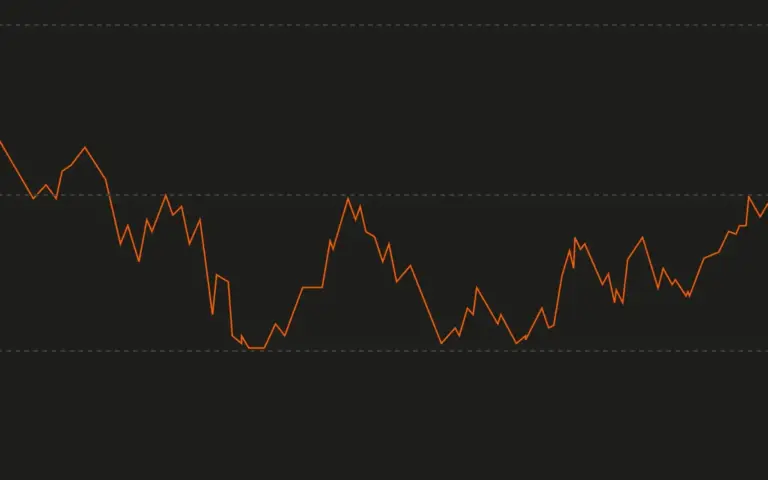
Another common situation is a trading range, where the price moves sideways between support and resistance for a period of time. This indicates a balance between buyers and sellers. Eventually, the price will break out of this range—either above resistance (a bullish signal) or below support (a bearish signal)—often leading to a stronger directional move.
Understanding support and resistance helps traders anticipate where key decisions may occur in the market. These levels act as signals: approaching support may highlight a potential buying opportunity or reversal, while approaching resistance may suggest caution or a possible pullback. When these levels break, they can also signal a shift in the balance of power between buyers and sellers, opening the door to new trends.